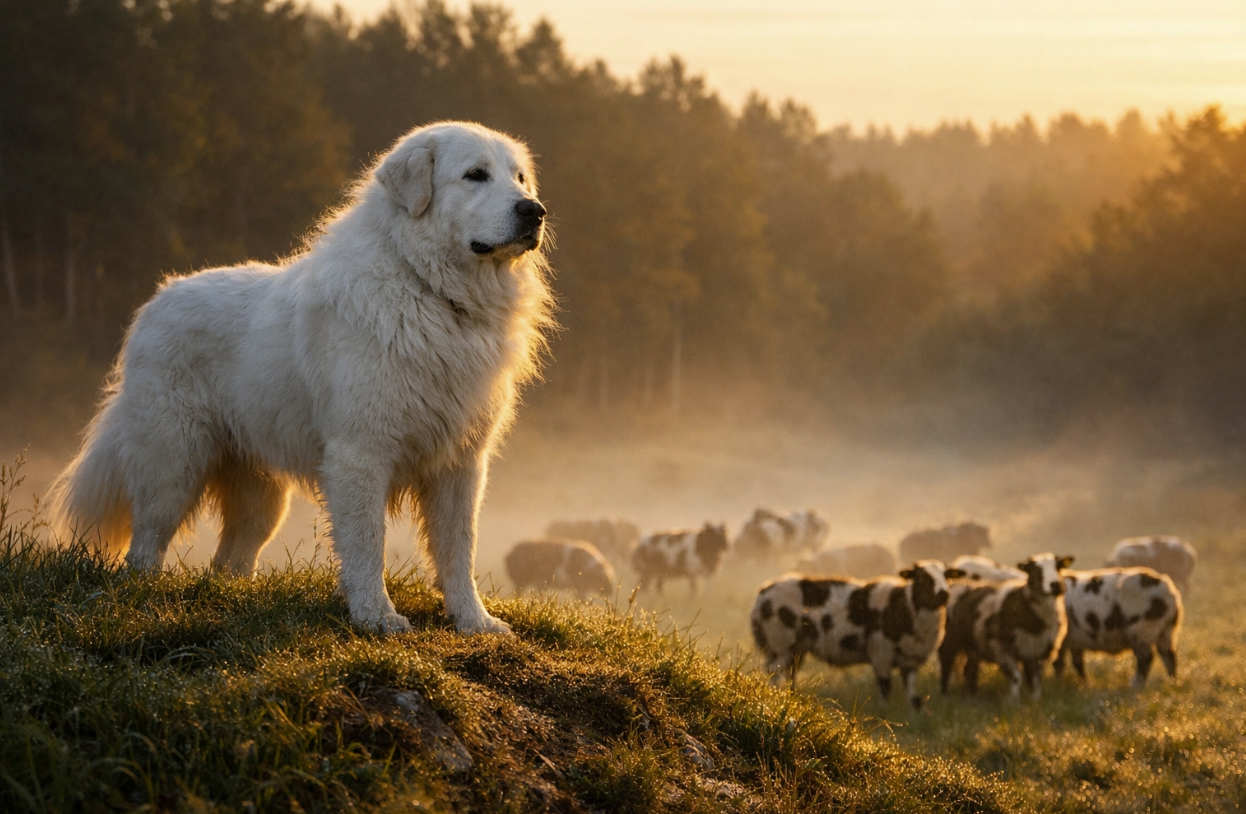
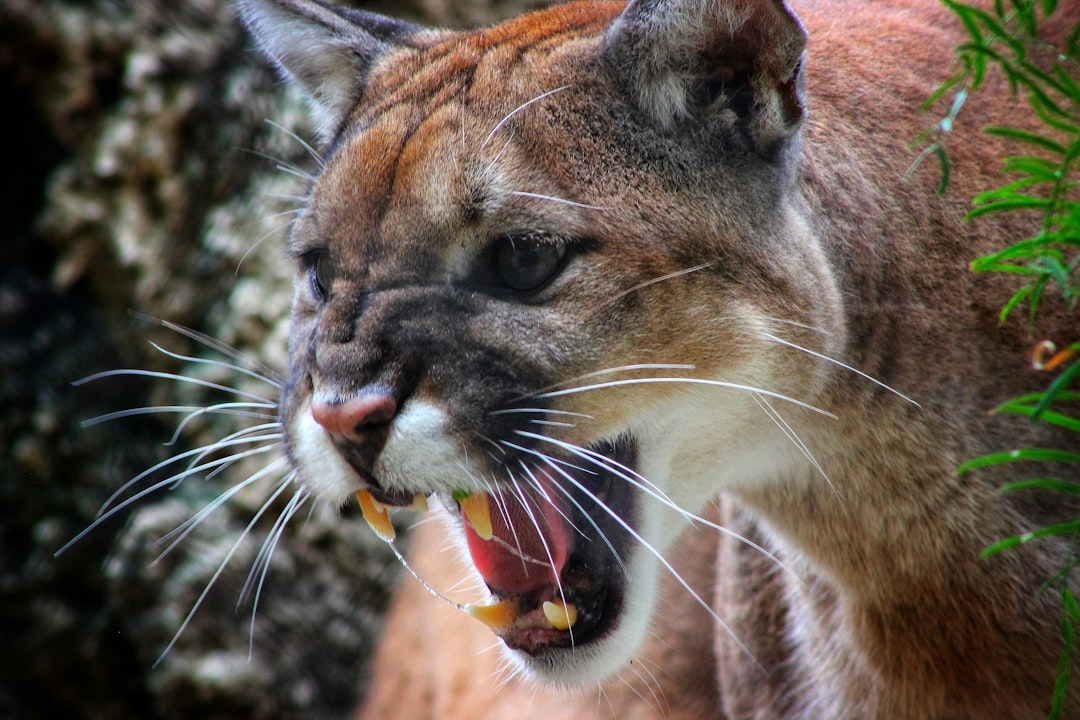
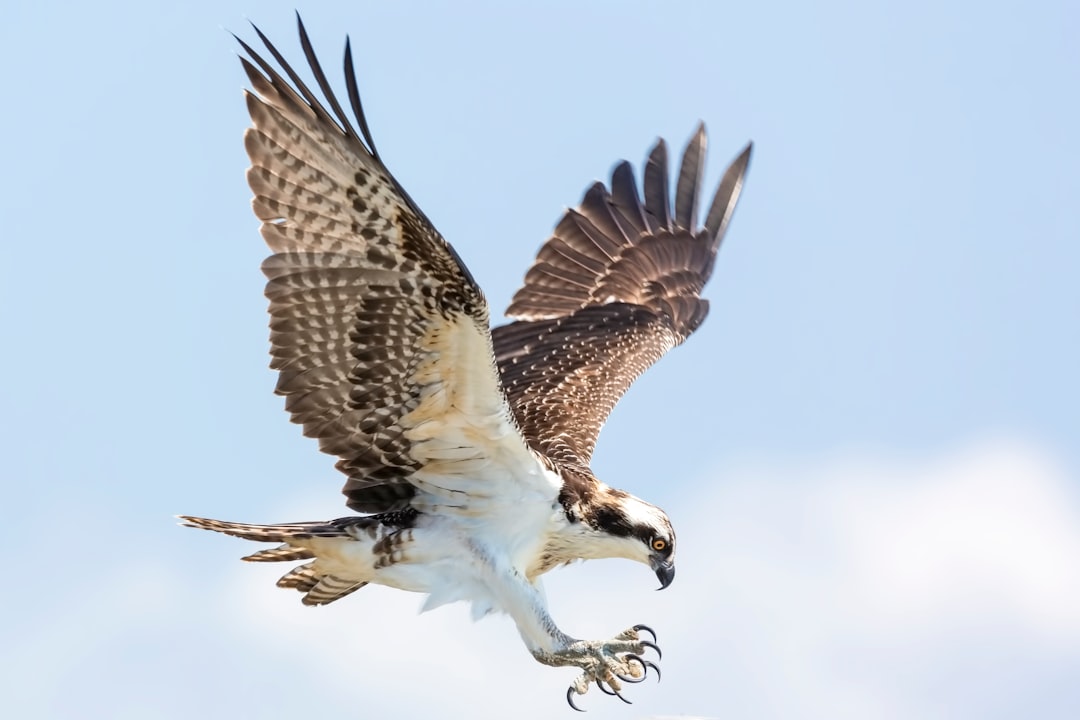
For the owner of a Harlequin sheep flock, protection is not a part-time consideration. Whether you are managing a small hobby farm livestock operation or an expansive breeding program, the reality of livestock ownership includes the constant presence of predators. Predators do not adhere to a 9-to-5 schedule. Coyotes, domestic dogs, bobcats, and even large birds of prey are opportunistic hunters that operate 24 hours a day, seven days a week.
The Harlequin sheep, known for its compact stature and docile temperament, is particularly vulnerable. Their smaller size makes them an easy target for predators that might hesitate to attack larger livestock. Because these sheep represent a significant investment in time, genetics, and financial resources, establishing a robust security perimeter is a non-negotiable requirement for any responsible breeder. If you are serious about maintaining the integrity of your Harlequin Generations, you must prioritize an active defense strategy.
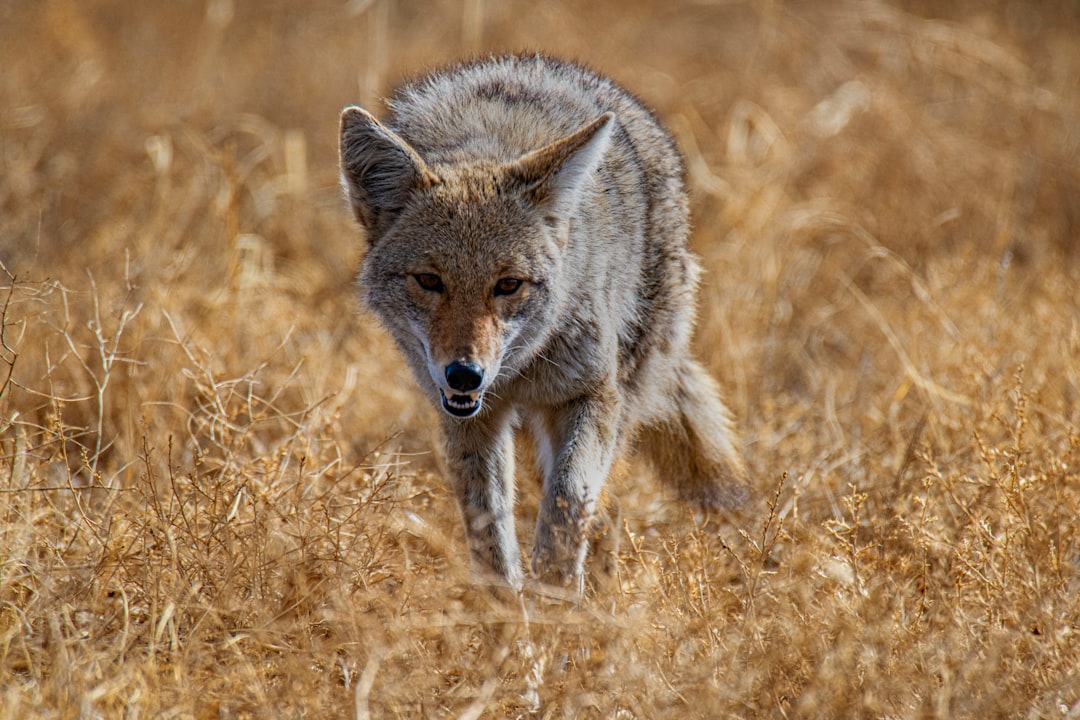
Predators are on the hunt 24 X 7 - not just at night. Fencing is a passive deterrent. To truly secure your flock, you need an active deterrent that can move, react, and respond to threats in real-time. This is where the Livestock Guardian Dog (LGD) becomes an essential component of your farm management plan. Careful consideration needs to be taken during mating season and shortly after when wild animals are learning to hunt.
It is a common desire for farm owners to want to "grow up" with their dogs. They purchase an LGD puppy with the intention of bonding it to their sheep from a young age. While this sounds ideal in theory, it is often a high-risk gamble that can lead to heartbreaking losses.
Puppies are inherently unpredictable. An LGD does not reach full cognitive maturity until 18 to 24 months of age. During the long "adolescent" phase, puppies can engage in behaviors that are dangerous to sheep.
If you are just starting your flock or adding expensive registered stock, you cannot afford to wait two years to find out if your dog is going to work. A failed LGD is not just a disappointment; it is a liability that puts your entire Registration investment at risk.
For the serious breeder, a proven, working adult LGD is worth its weight in gold. When you bring an adult dog into your operation, you are removing the variables of chance and immaturity. A proven dog arrives with its training already established.
While we focus on the threats, it is important to note that not all predators are "bad" for the farm. As noted in agricultural research, certain predators like raptors and smaller carnivores can provide natural pest control, reducing rodent populations that might otherwise damage feed stores or barn structures. However, when it comes to the safety of your Harlequin sheep, a clear line must be drawn.
The goal of a Livestock Guardian Dog is not necessarily to kill every predator in the vicinity, but to create a "no-go zone" around your livestock. The presence of a mature, barking, and patrolling LGD communicates to the local coyote pack or wandering domestic dog that the cost of entry is too high. This creates a balance where your farm can exist within the natural landscape without suffering the "heartbreaking losses" of livestock predation.Sample text. Click to select the Text Element.
If you own Harlequin sheep, you are a steward of a unique and valuable breed. Predators do not wait for you to "figure it out" or for your puppy to "grow up." They look for the easiest meal available right now.Protecting your flock requires a proactive stance. Ensure your fencing is as secure as possible, but recognize its limitations. Invest in a proven, working adult LGD to provide the 24/7 surveillance that a human simply cannot offer. This choice provides immediate peace of mind and ensures that your Sheep for Sale and breeding ewes remain safe, healthy, and productive.
Proper protection is the foundation upon which every successful Harlequin sheep operation is built. Do not leave the safety of your animals to chance.