
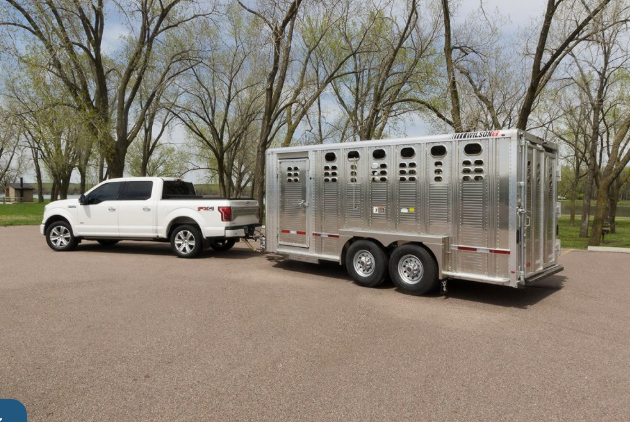
Safe and Simple: How Professional Livestock Haulers Get Your Harlequin Sheep Home
When expanding or establishing a flock of Harlequin mini sheep, geographical distance is often viewed as a primary barrier. However, prioritize the quality of the animal and the reputation of the breeder over proximity. If a superior specimen meets the Breed Standard but is located several states away, professional livestock transportation provides a safe, efficient, and standardized solution.
The success of a long-distance acquisition depends on two pillars: the communicative expertise of the shepherd and the technical proficiency of the professional hauler. Utilizing these resources ensures that the transition from the seller’s pasture to your farm is handled with administrative precision and animal welfare as the core focus.
The Shepherd-Buyer Partnership
The distance between buyer and seller is mitigated by the transparency of the breeder. An experienced Harlequin shepherd utilizes digital communication to bridge the gap. If you are purchasing an animal sight-unseen, require high-definition video and photography that showcases the animal’s conformation, movement, and fleece quality.
A professional breeder provides comprehensive data regarding the sheep’s lineage and health history. This includes verifying that the animal is properly registered with the Harlequin Sheep Society. If a breeder is evasive regarding health records or slow to provide visual updates, reconsider the purchase regardless of distance. Conversely, a shepherd who proactively discusses temperament, feeding schedules, and vaccination history is a valuable partner in your long-term success.
Why Professional Haulers Are Essential
While some buyers consider self-transport to save costs, professional livestock haulers offer specialized expertise that amateur setups cannot replicate. Livestock transport is a regulated industry focused on biosecurity and safety.
Specialized Equipment
Professional haulers utilize trailers specifically engineered for small ruminants. These rigs provide:
- Optimal Ventilation: Proper airflow is critical for sheep, especially during summer months. Since Harlequin mini sheep have a smaller stature, standard horse trailers often lack airflow at the height where the sheep actually stand. Professional rigs account for this.
- Secure Flooring: High-quality haulers use heavy-duty rubber mats topped with thick layers of clean straw or wood shavings. This provides the traction necessary to prevent slipping during acceleration or braking.
- Adjustable Partitioning: Sheep must be partitioned to prevent "piling" or crushing during transit. Professionals use gates to secure sheep in the front or middle of the trailer, ensuring a stable center of gravity for the vehicle and safety for the animals.
Technical Expertise
If a hauler understands sheep behavior, the stress levels of the animals remain low. Professional shippers recognize flight zones and use low-stress handling techniques during loading and unloading. They also understand the necessity of separating rams from ewes and keeping lambs with their dams if they are not yet weaned.
Logistics and Biosecurity Protocols
The logistical coordination between the shepherd and the hauler is a hallmark of a professional transaction. Before the sheep are loaded, several administrative and health-related steps must be completed.
- Certificate of Veterinary Inspection (CVI): Most states require a CVI (health paper) issued by a licensed veterinarian within 30 days of travel. This ensures the animal is free from infectious diseases and is fit for transport.
- Scrapie Identification: All sheep moving in interstate commerce must have official USDA Scrapie identification, typically in the form of an ear tag.
- Route Planning: Professional haulers plan routes that minimize time spent in transit while avoiding extreme weather patterns.
Managing Animal Welfare During Transit
If the journey exceeds several hours, the hauler must implement a welfare management plan. While sheep do not require constant water in the same way humans do, hydration management is vital on long-haul trips.
Hydration and Rumen Health
For trips lasting over 24 hours, professional haulers schedule rest stops to offer water and hay. Maintaining rumen function is essential for sheep; a sudden cessation of fiber intake can lead to metabolic distress. Shippers often provide grass hay during the trip to keep the digestive system moving without the high protein levels that might cause scours (diarrhea) under stress.
Temperature Regulation
Sheep are highly susceptible to heat stress. Professionals monitor internal trailer temperatures and adjust ventilation accordingly. If temperatures are forecasted to be excessive, haulers may travel during night or early morning hours to protect the animals.
Post-Sale Support and Integration
A reputable Harlequin shepherd does not consider the sale complete once the hauler pulls away. Post-sale support is a key indicator of a breeder’s commitment to the breed's reputation.
Upon arrival, your new Harlequin sheep should be placed in a quarantine pen. This is a standard biosecurity practice. Even with a clean health certificate, the stress of travel can temporarily suppress the immune system. Monitor the sheep for 14 to 21 days before introducing them to your existing flock.
During this period, maintain communication with the breeder. If you notice a change in appetite or behavior, an experienced shepherd can provide guidance on whether the issue is transit-related stress or a health concern requiring veterinary intervention. Reviewing the Past Breeder Spotlights can give you insight into the support levels offered by various farms across the country.
Final Considerations for the Buyer
Selecting a Harlequin mini sheep based solely on proximity limits your ability to improve your flock's genetics. If you find an animal that excels in the Harlequin Generations charts or possesses exceptional fleece characteristics, do not let a 500-mile or 1,000-mile distance deter you.
The Action Plan for Long-Distance Purchasing:
- Verify Credentials: Confirm the shepherd is a member of the Harlequin Sheep Society and that the sheep are registered.
- Request Documentation: Ask for photos of the Scrapie tags and the most recent flock health tests (e.g., OPP, CL, Johne’s).
- Vet the Hauler: Ask the hauler for references and photos of their rig. Ensure they have experience with miniature breeds.
- Prepare Your Site: Have a secure, bedded quarantine area ready with fresh water and the same type of hay the breeder was using to ease the dietary transition.
The livestock industry has evolved to make distance a minor variable in the acquisition of high-quality animals. By relying on professional transport services and communicative breeders, you ensure the safety of your investment and the welfare of the sheep. Focus on the quality of the animal and the integrity of the shepherd; the logistics of the journey are a solved problem.