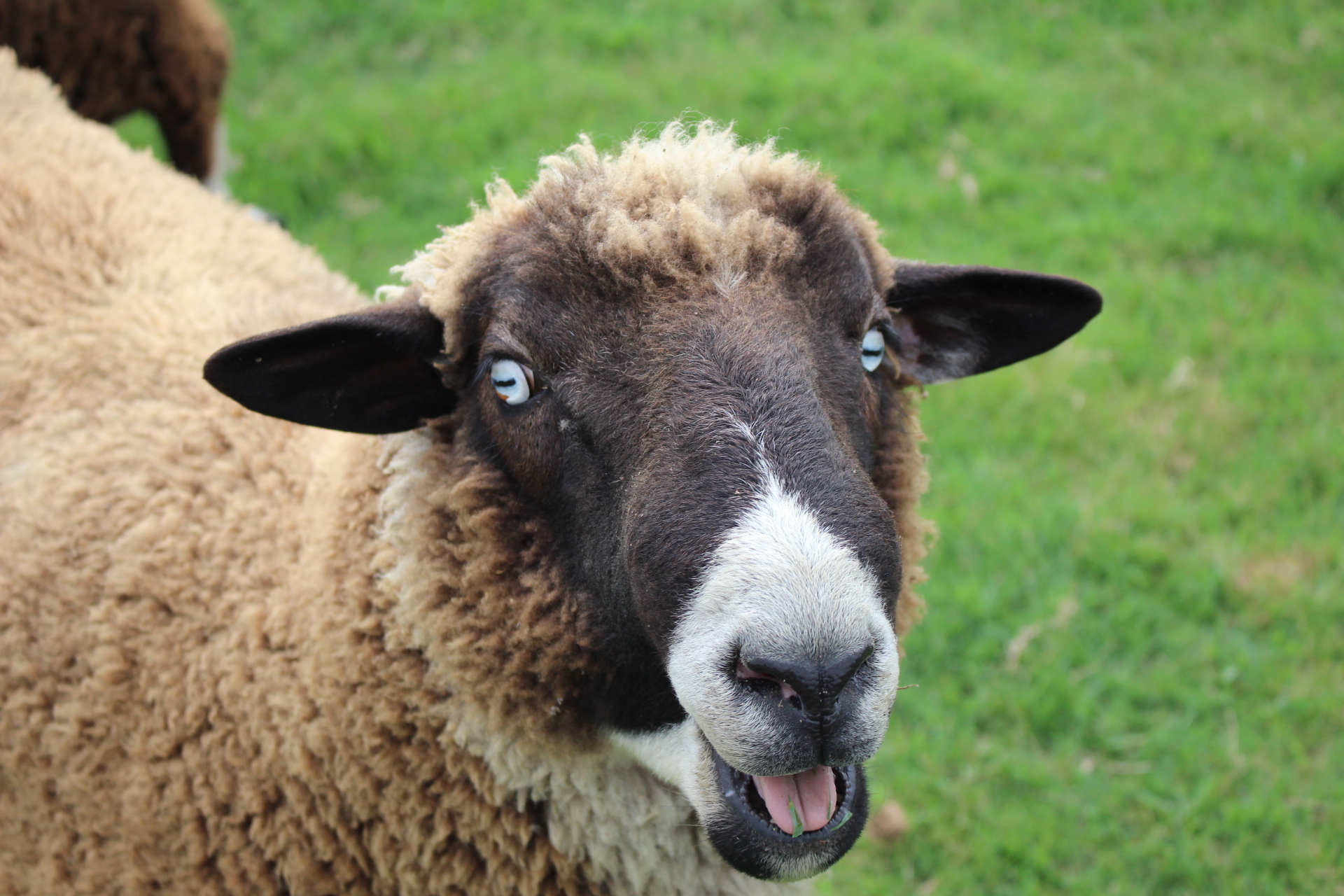
Understanding the lifecycle of Harlequin sheep fiber is essential for breeders and fiber artists. As a unique American miniature sheep breed, the Harlequin provides a versatile medium wool that evolves in diameter, strength, and color as the animal matures. Managing these transitions ensures the long-term quality of the wool for hand spinning and other fiber arts.
Harlequin sheep produce a medium-grade wool, typically ranging from the mid-20s to low-30s in micron count. The breed is selected for its springy, bouncy handle and distinctive spotted patterns. While primary follicles can produce coarser fibers, the secondary follicles provide the fine, crimped wool desired by the textile industry.
Adherence to the Breed Standard ensures that the fleece remains consistent, avoiding excessive kemp or coarse guard hairs in the main body.
The first shearing of a Harlequin lamb produces the finest and softest wool the sheep will ever yield. At this stage, the fiber diameter is at its minimum, offering maximum comfort for next-to-skin applications.
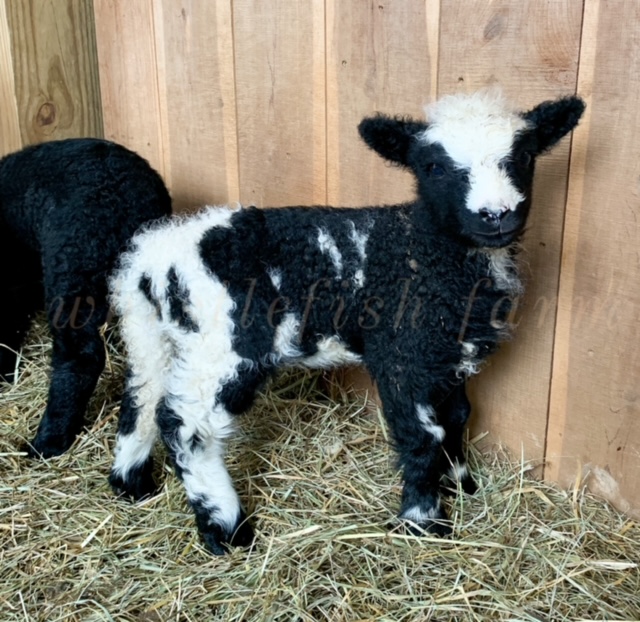
If you require wool for baby garments, cowls, or lightweight scarves, then select lamb fleeces. These fibers provide the loft and elasticity necessary for delicate, airy yarns.
As the Harlequin matures into a young adult, the fiber settles into its genetic baseline. While slightly coarser than lamb wool, the fleece becomes more uniform across the body. This is the peak period for staple consistency and ease of processing.
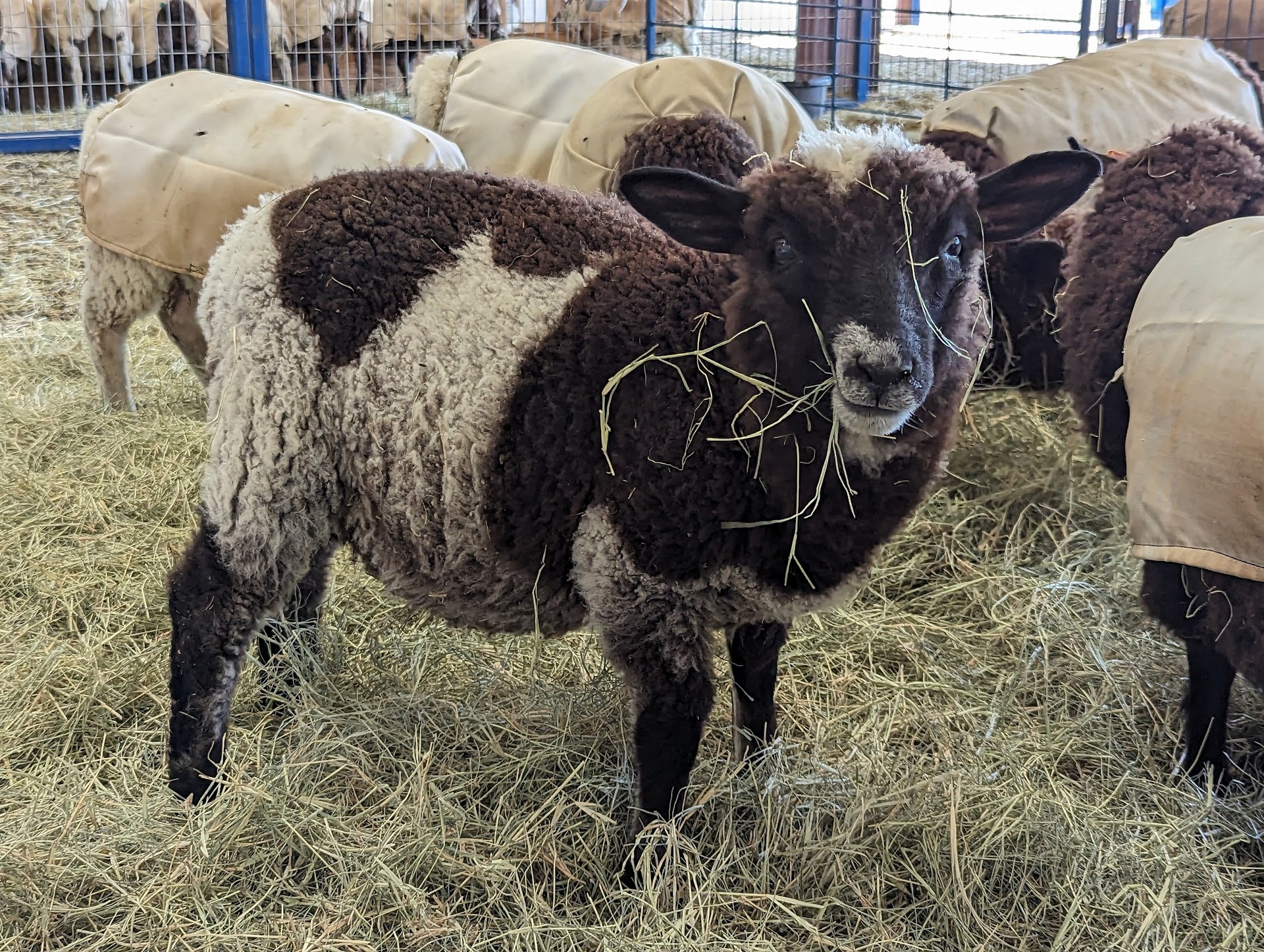
If you are producing workhorse yarns for sweaters, mittens, or blankets, then utilize wool from prime adult sheep. This fiber balances durability with the breed’s signature bounce. More details on why this breed is favored can be found in our section on Why Harlequins Are Popular.
As sheep age, physiological changes impact fiber production. The diameter typically increases, and the variation across the fleece becomes more pronounced. Senior Harlequins may also show signs of "silvering" or color fading in their spotted patches.
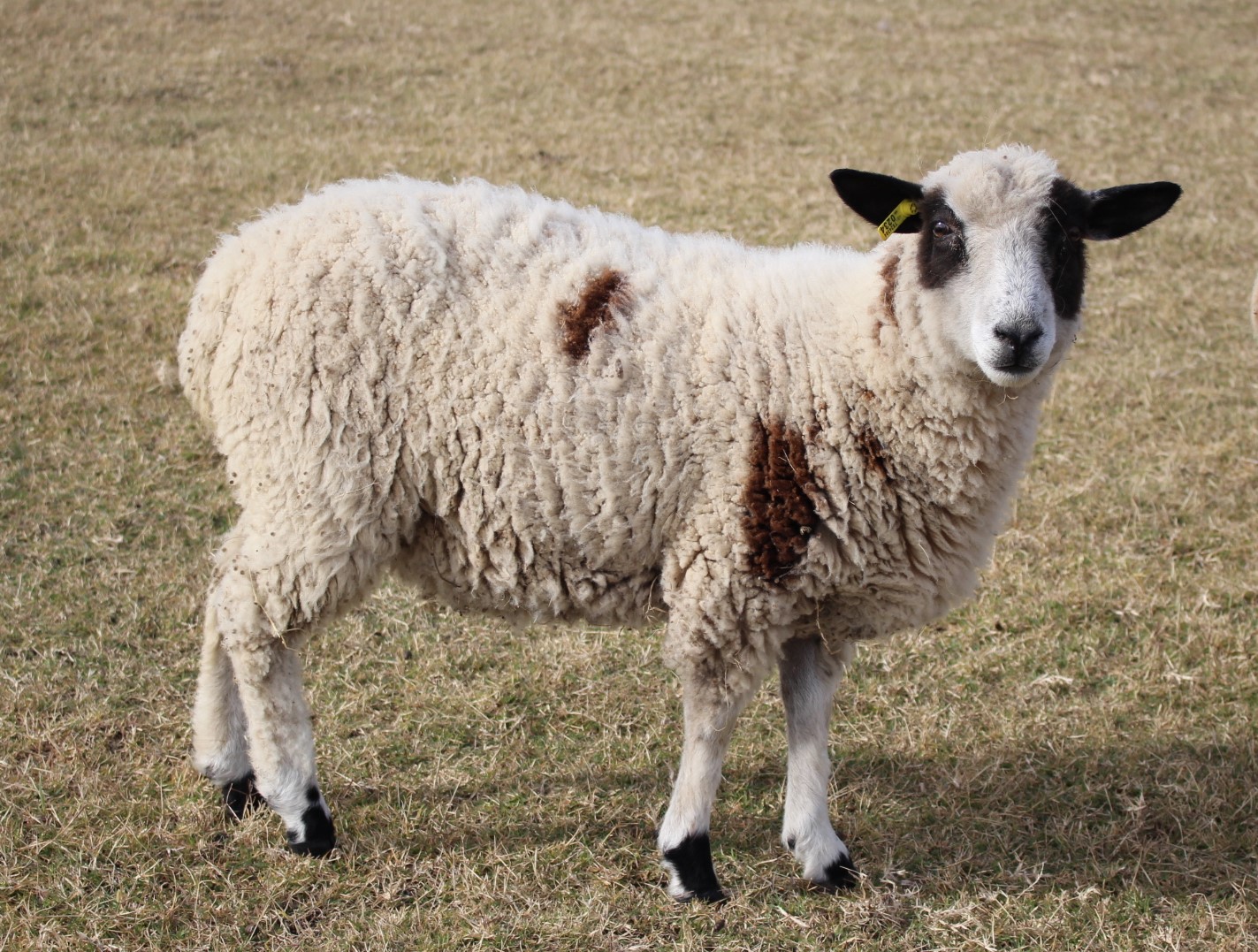
If you are creating rugs, outerwear, or felting projects, then use senior fleeces. The increased fiber diameter provides the necessary structure and abrasion resistance for heavy-use items.
Fiber artists must match the wool stage to the project's technical requirements. The Harlequin’s versatility allows for a range of outcomes based on age-specific selection.
If you intend to blend colors for a "tweed" effect, then process the spotted patches together during carding. If you prefer high-contrast yarn, then separate the dark and light patches prior to spinning.
Consistent management is required to preserve the integrity of Harlequin wool. Proper nutrition and environmental control prevent breaks in the staple and minimize vegetable matter (VM) contamination.
Visit the Learning Center for detailed guidance on maintaining a healthy flock and protecting the value of your fiber harvest. We believe that rigorous adherence to breed standards and health protocols is the only way to ensure the long-term reputation of Harlequin wool for hand spinning.
The Harlequin sheep offers a dynamic fiber profile that shifts from ultra-fine in youth to robust in maturity. By identifying these changes, breeders can better market their fleeces and fiber artists can optimize their final products. Maintain technical records of shearings to track the evolution of your flock's wool quality over time.