Harlequin Sheep Society & Registry

What Are Harlequin Sheep?

Harlequin Sheep are a rare, uniquely American breed of miniature sheep, developed in Virginia over the past 35 years. Standing under 24 inches tall, they’re an ideal choice for hobby farms, small homesteads, and backyard shepherds, yet still hardy enough for dedicated breeders.

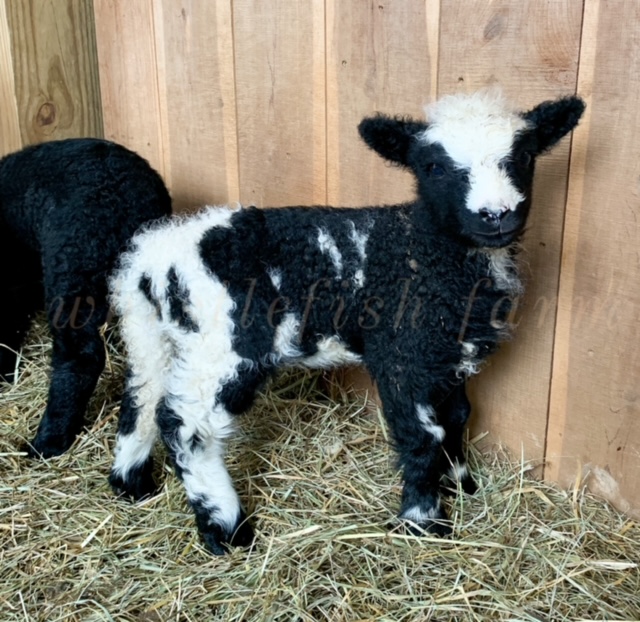
Known for their striking spotted fleece and the occasional blue eyes, Harlequins are one of the most visually distinctive small sheep breeds in North America. They are naturally polled (hornless), exceptionally docile, and produce fine, crimped wool that hand‑spinners and fiber artists highly value.

The Harlequin Sheep Society & Registry (HSSR) serves as the official organization dedicated to preserving, promoting, and advancing this rare American miniature sheep breed.

Unique Charm of Harlequin Sheep: An American Treasure

In the world of livestock and miniature sheep breeds, Harlequin Sheep stand out as one of the most charming and distinctive options available. Developed in the United States, this miniature, hornless breed is known for its joyful temperament, unique spotted fleece, and the rare possibility of blue eyes. Their striking appearance and friendly nature have made Harlequins a favorite among small‑farm owners, hobby shepherds, and dedicated breeders across the country.

American-Bred Excellence

The Harlequin Sheep breed was carefully developed more than 35 years ago by Kathleen Sterling of Black Sheep Farm East in Virginia. Through selective breeding and thoughtful genetic planning, Sterling combined several heritage sheep breeds—including Karakul, Tunis, Corriedale, Lincoln, Border Leicester, Romney, Montadale, and Southdown rams—to create a miniature sheep with the size and conformation of the Southdown but with a distinctive, multi‑colored fleece.

Today’s Harlequin Sheep reflect her vision: a uniquely American miniature sheep breed known for its manageable size, friendly temperament, and eye‑catching spotted wool. The modern Harlequin is a testament to Sterling’s dedication and remains one of the most charming and visually striking small sheep breeds in the United States.
Easy to Handle, 
Hornless and J0yful

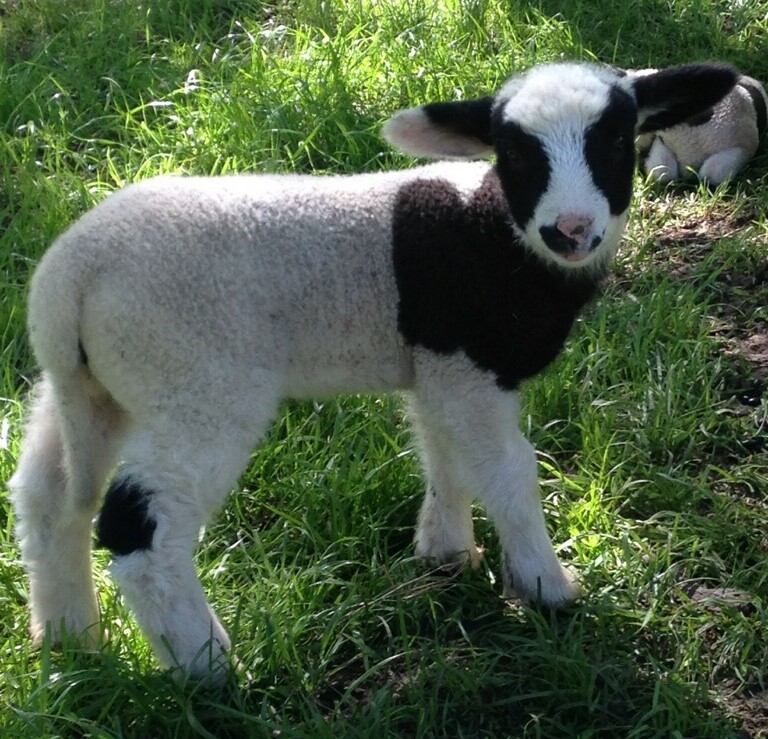
One of the defining traits of Harlequin Sheep is that they are naturally hornless (polled), a feature that makes them safer and easier to handle on any farm. Their lack of horns reduces the risk of accidental injury for both the sheep and their caretakers, making them an excellent choice for family farms, hobby shepherds, and beginners.

Harlequins are also known for their joyful, friendly disposition. They’re easy to manage, highly social, and well‑suited for shepherds of all ages—from young children learning to care for animals to seniors seeking gentle, low‑maintenance livestock. Their calm nature and approachable size make Harlequin Sheep one of the most enjoyable miniature breeds to raise.

Kim Gore of Seeing Spots Farm, VA

The Historical Harlequin

The Harlequin Sheep is a uniquely American miniature sheep breed, meticulously developed more than 35 years ago by Kathleen Sterling of Black Sheep Farm East in Virginia. By selectively blending Karakul, Tunis, Corriedale, Lincoln, Border Leicester, Romney, Montadale, and Southdown rams, Sterling produced a mini sheep with the Southdown’s size and conformation paired with a distinctive, multi‑colored fleece. The Harlequin we know today remains a lasting testament to her vision, dedication, and careful breed development.

2023: A Turning Point

To support fresh genetics on the path toward American Purebred status, the Open Registry closed at the end of December 2022. In its place, HSSR launched a structured outcrossing program using registered Babydoll Southdown sheep—the only approved outcross. This program helps maintain a consistent 24-inch shoulder height while preserving the Harlequin’s signature spotted fleece and rare blue‑eye genetics, ensuring the breed develops true to standard.

The Future of Harlequins

Breeders are continually refining the Harlequin Sheep to match Kathleen Sterling’s original vision for this unique American miniature breed. The registry currently permits limited outcrossing with registered Babydoll Southdowns to strengthen genetics as we work toward the goal of 500 American Purebred Harlequin Sheep. Once that milestone is reached, the breed will officially close—preserving the Harlequin as a true, established American purebred mini sheep.

Why Babydoll Southdowns?

Southdown rams were part of the original foundation of the Harlequin Sheep breed. While larger American Southdowns were used early on, the petite Babydoll Southdown—rediscovered by Robert Mock in 1986—better reflects Kathleen Sterling’s original vision. Because Babydolls are naturally polled and share the same Southdown heritage, they became the ideal choice for the registry’s outcrossing program, helping produce smaller, healthier Harlequin miniature sheep with the correct size and temperament.

Why Harlequins?

photos below courtesy of KidKat Ranch

Easy to Handle

Naturally polled (hornless) and weighing 80–140 lbs at maturity, Harlequin miniature sheep are safe and manageable for shepherds of all ages — from young children to seniors. They are hardy, easy lambers, and thrive in a wide range of environments
Highly Prized Wool

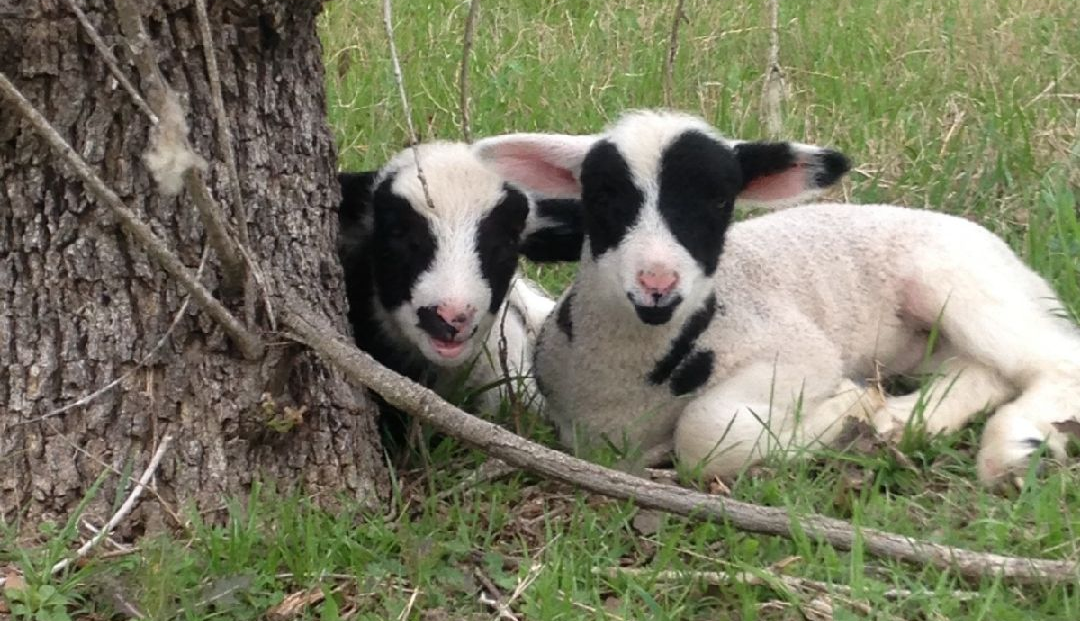
Fine, medium-staple wool ranging 25–35 microns with 3–6" yearly staple length. The fleece is highly crimped and can be separated into off-white, brown, gray, and tan. Babydoll/Harlequin crosses produce a rich cocoa-brown fleece prized by hand spinners.
Cost Effective

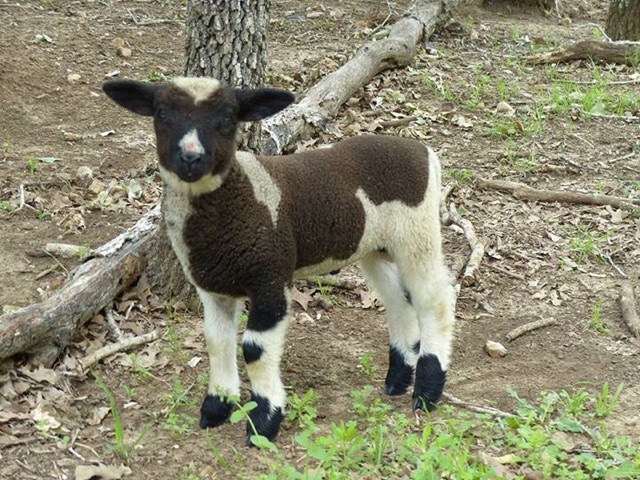
Despite being a rare American miniature sheep breed, Harlequins are surprisingly affordable. Ideal for ag exemptions, 4H and FFA projects, small-scale farming, or as a companion animal — versatile enough for the farm, backyard, or show ring.
 

Show Ring Success

The breed debuted at the Great State Fair of Texas in 2017, earning 1st, 2nd, and 3rd place. Steven Williams subsequently earned two Reserve Champion titles at the Houston Stock Show — demonstrating the breed's competitive value.